The Galactic Ambition of Super Mario Galaxy’s Soundtracks
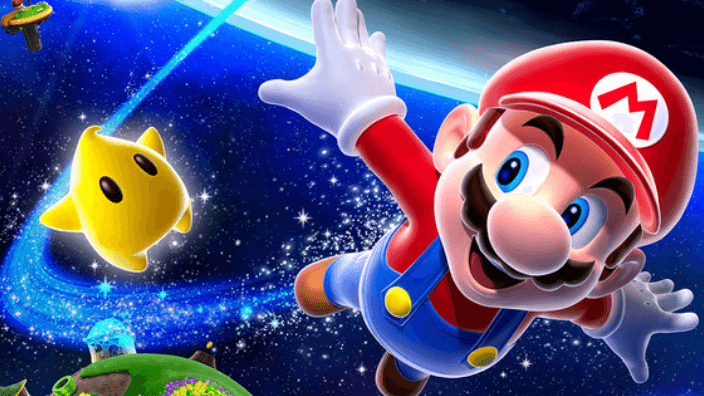
When Mahito Yokota stepped into his role as music director for the Super Mario series, he arrived with a clear, albeit narrow, understanding of what Nintendo’s iconic mascot sounded like. For two decades, the sound of Mario had been defined by Koji Kondo, whose compositions relied on happy-go-lucky, pop-influenced melodies and synthesized Latin and Caribbean instrumentation. It was a sound that was kitschy, fun, and undeniably memorable. However, when Yokota submitted his initial drafts for 2007’s Super Mario Galaxy, Kondo—acting as sound supervisor—offered a blunt critique: “This is no good. If somewhere in your mind you have an image that Mario is cute, please get rid of it.”
From Cuteness to Cosmic Grandeur
Yokota spent three months reevaluating the “Essence of Mario.” To evolve the series, he had to look beyond the past and toward the vast, spaceward future. Super Mario Galaxy and its sequel remain the most conceptually ambitious entries in the franchise. The narrative stakes were higher, the universe-spanning setting was expansive, and the gameplay introduced a new level of intimacy through the Wii’s motion controls. The series was maturing, and its music needed to reflect that growth—not by abandoning its childlike wonder, but by fusing it with a more grandiose sense of whimsy and wistfulness.
To achieve this, Yokota utilized a 50-plus-player symphony orchestra, the Super Mario Galaxy Orchestra. While this was an expensive and time-consuming approach for the mid-2000s, it was essential for capturing the “magnificence of the universe.” By intertwining these orchestral arrangements with ambient synth textures, Yokota and Kondo created a timeless sonic lexicon that set a new cinematic benchmark for the medium.
The Complexity of Orchestral Play
In Galaxy, the magic is felt through the measured complexity of the score. Moving away from the straightforward immediacy of chip-tune pop, the composers drew inspiration from the sweeping, ambitious orchestral works of film composers like Howard Shore. Tracks such as “Egg Planet” and “Gusty Garden Galaxy” are masterclasses in pacing, building from soft woodwinds to triumphant, brass-led finales that mirror the player’s journey from exploration to blissful completion. Super Mario Galaxy 2 pushed this even further with “Sky Station Galaxy,” a dynamic, sprawling arrangement that remains one of the most complex first-level themes in gaming history.
The narrative benefit of this heightened ambition was immediate. Leitmotifs were used to convey character and scope through sound alone. The main theme, a magnificent refrain, anchors the experience, while Bowser’s new leitmotif, “Catastrophe,” gave the villain a sense of scale that felt more cinematic than ever before. Even in its most sparse moments—such as the haunting, spaced-out ambience of “Space Junk Road” or the chilling, ethereal vocals of “Sweet Mystery Galaxy”—the music elevates the game, proving that the Galaxy soundtracks are as soothing and effective outside of the game as they are within it.
Ultimately, the Galaxy games established that wide-screen ambition was not reserved for Hollywood. By channeling a filmic spirit that players could actively control, Yokota and Kondo ensured that the essence of Mario was blown up to galactic proportions, creating a legacy that has yet to be rivaled.