Ted Lucas: Images of Life Album Review
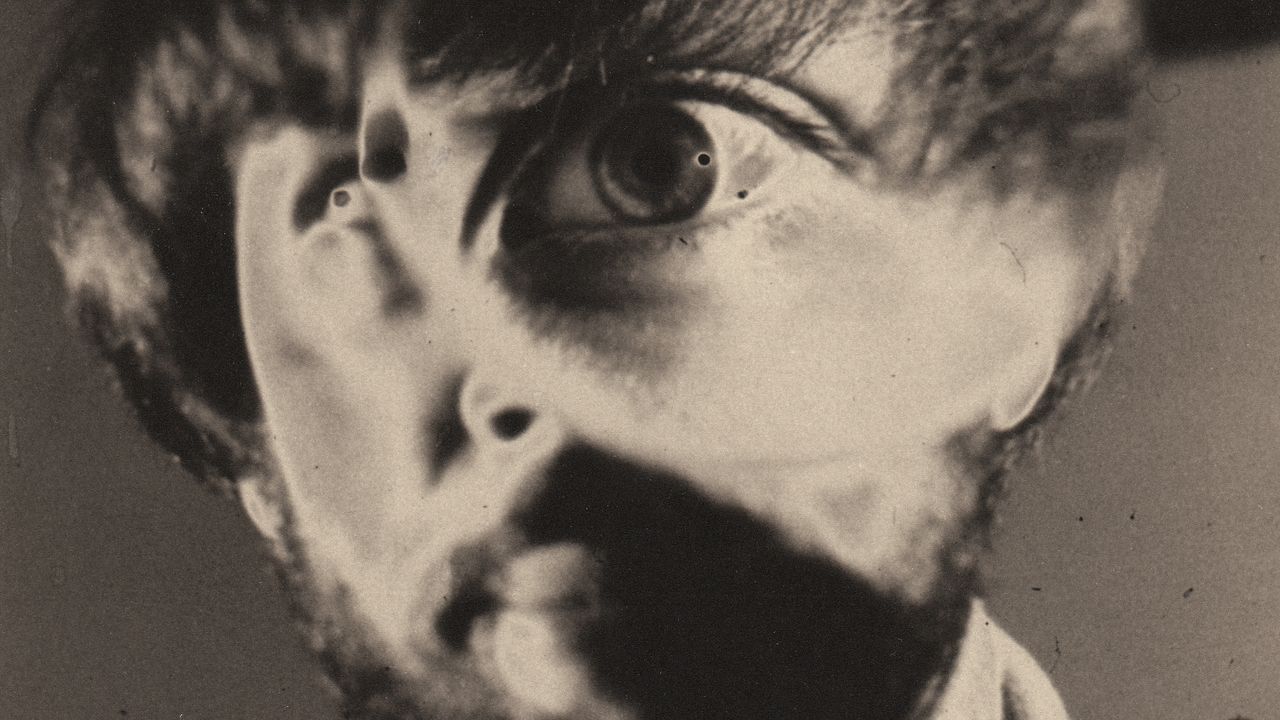
Ted Lucas made a masterpiece. At the start of the 1970s, after moving on from a series of promising rock bands and establishing himself as an “exotic instrumentalist” for Motown, the songwriter and guitarist sought a new path toward commercial success. He recorded a six-song acoustic demo in his Detroit attic for Warner Bros. in early 1972, even securing cover art from the legendary psychedelic visualizer Stanley Mouse—art originally intended for Jimi Hendrix. When that deal failed to materialize, Lucas eventually self-released his self-titled solo debut in 1975, a record that would later become a cult classic.
The Legacy of OM
Over the last half-century, that self-titled record—commonly referred to as OM—has gained a second life, reissued multiple times and championed by labels like Third Man. It remains a quintessential example of “private-press folk,” offering a blend of stoner hymns, existential lullabies, and intricate acoustic guitar work. For many, it was the definitive, albeit mysterious, statement from an artist who seemed to vanish shortly after its release.
Unearthing Images of Life
The mystery surrounding Lucas’ career is finally addressed with Images of Life, a collection of 32 songs recorded during the 15-year period surrounding OM. By combining rare 7-inch releases with archival material discovered after his death in 1992, the set provides a much-needed context for his work. With insightful liner notes by Mike Dutkewych, the collection portrays Lucas as a gifted songwriter who was often hindered by his own restless nature and inability to commit to a single musical direction.
Lucas navigated various styles, from jangling psychedelia to heartsick pastorals and radio-ready rock. The collection is divided into three distinct stylistic categories, each occupying its own LP. The first, Strange Mysterious Sounds, documents his time with bands like the Spike-Drivers and the Misty Wizards. The latter, a duo featuring Richard Keelan, showcased vocal harmonies reminiscent of Simon & Garfunkel or Crosby, Stills, & Nash, albeit with a distinct, acid-dosed edge.
A Portrait of a Restless Artist
The second volume, Rainy Days, highlights Lucas’ solo work from 1970 to 1974. Tracks like “Images of Life” and “Anastasia” reveal a songwriter grappling with domesticity and the arbitrary nature of success. His work from this era sits comfortably alongside the introspective folk of artists like Nick Drake, Elliott Smith, and Justin Vernon. By the late 1970s, Lucas had formed the Ted Lucas Band, which opened for Black Sabbath, and later worked with a young Don Was. Despite the quality of these recordings, which could have easily found a home on late-70s radio alongside Cheap Trick or Steely Dan, Lucas remained an accomplished self-saboteur, struggling to finalize and release his music.
Images of Life is more than just a collection of rarities; it is a testament to an artist who was as complicated as his music. Thanks to the meticulous mastering by Warren Defever of His Name Is Alive, the collection brings clarity to these long-lost tapes. It serves as a poignant, necessary addition to the legacy of a man who once wrote in his 1979 will: “Since nothing sells like a dead artist, my words and music will increase in value after my no doubt untimely demise.” He was right, and we are fortunate to finally hear the full scope of his message.