How Jeff Parker Changed the Sound of Jazz
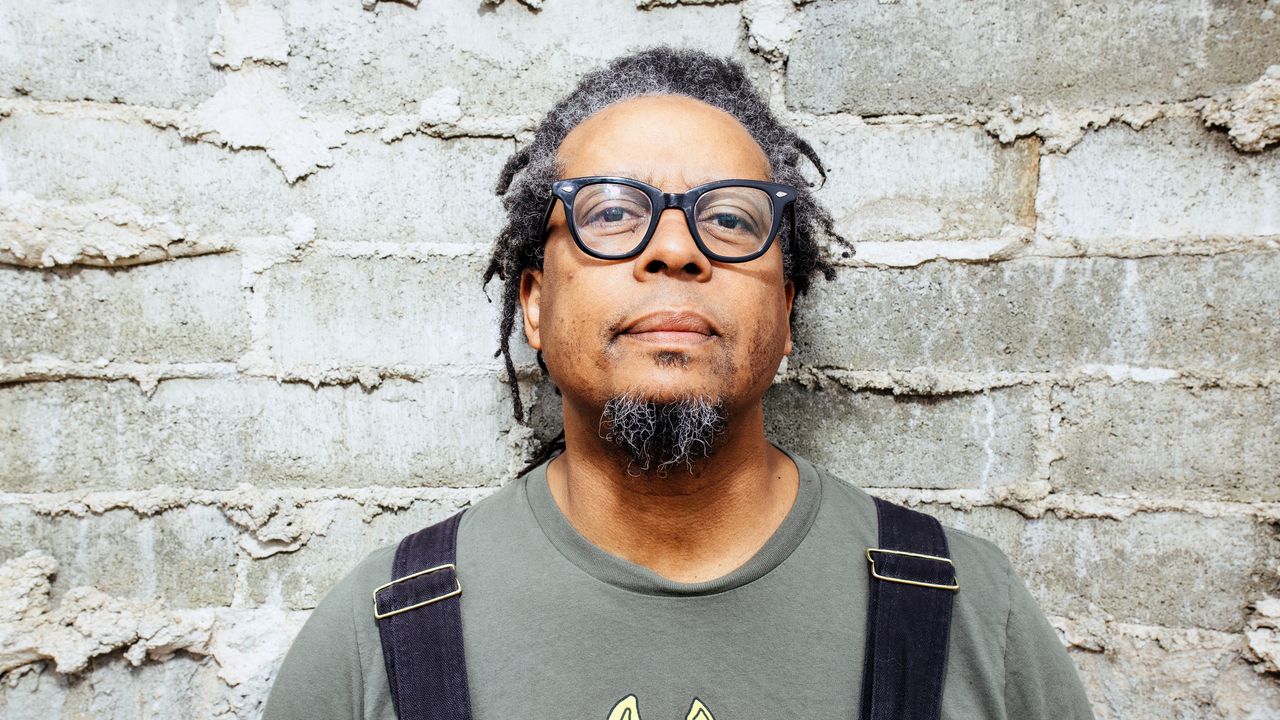
Jeff Parker once turned down a job from Joni Mitchell. It was early 1998, and the guitarist, newly 30, was at a crossroads. He had spent nearly a decade in Chicago, cobbling together a living through weddings, funk bands, and experimental improvisation. He had recently joined the Association for the Advancement of Creative Musicians and was a key member of Tortoise and Isotope 217, bands that defied the walls between jazz, rock, and electronica.
When Mitchell’s invitation arrived—a chance to join her on the road with drummer Brian Blade—it seemed like a fast track out of financial struggle. Yet, Parker chose to honor his commitment to his own band. It was a defining moment in a career defined by choosing the path less certain.
From Chicago to California
Parker’s journey began in Hampton, Virginia, where he was a jazz-obsessed kid studying liner notes like baseball cards. After a stint at Berklee College of Music, he dropped out, feeling that the rigid pedagogy of jazz education was stifling his own voice. He moved to Chicago, a city that offered an artistic frontier where he could explore everything from modern composition to DJing.
After 24 years in Chicago, he made another radical move in 2013, following his partner to Los Angeles. He initially considered leaving improvised music behind entirely, fearing that the city lacked the creative community he had thrived in. But, as is often the case with Parker, the community eventually found him.
The ETA Effect
Parker’s residency at the cocktail and oyster bar ETA became a crucible for a new scene. It was there that he formed the ETA IVTet, a group featuring drummer Jay Bellerose, bassist Anna Butterss, and saxophonist Josh Johnson. Their work, including the album Happy Today, serves as a masterclass in collective listening and the power of repetition.
His influence has rippled outward, touching artists like Flea, who credits Parker with a rare, service-oriented approach to music. “There’s this river of music inside of Jeff,” Flea says. “He is a remarkably sensitive human being who is all about being in a situation and listening.”
A Legacy of Teaching and Artistry
Now 59, Parker reflects on his career not just as a series of gigs, but as a deliberate effort to exist as an artist. While he has embraced teaching at institutions like CalArts, his primary focus remains the creation of his own body of work. By staying true to his unique tone and refusing to be bound by the expectations of the “jazz musician” label, Parker has created a blueprint for the next generation of improvisers.
“I made the decision to be an artist, to focus on creating my own body of work,” Parker says. “And the path to be a creative musician—it’s hard, man. I’ve decided to lean into that at this point in my career, because it is a career.”