Billy Corgan and Diplo Clash Over AI in Music: A Philosophical Divide
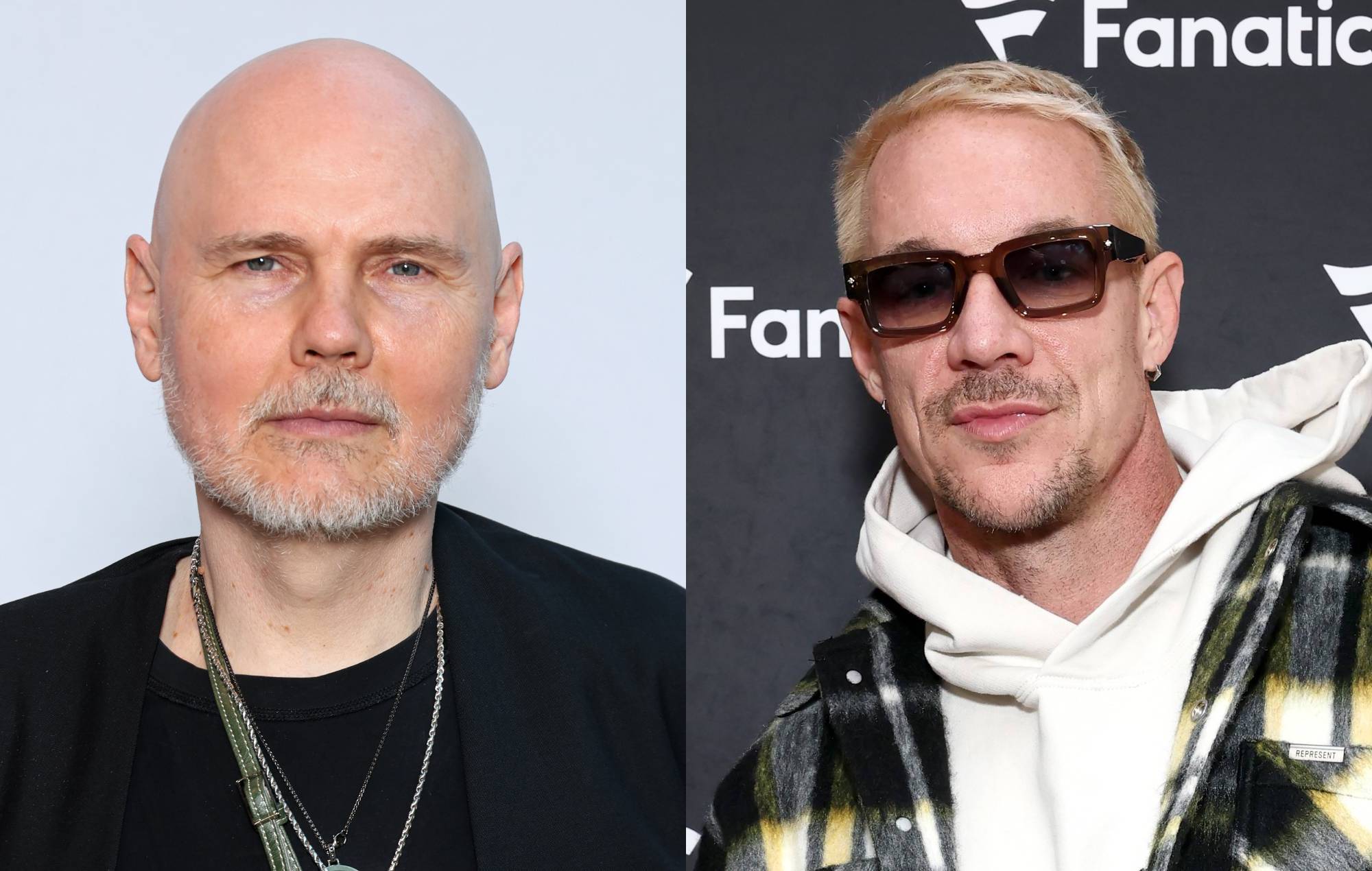
The integration of artificial intelligence into the music industry has sparked a fierce debate among artists, with Smashing Pumpkins frontman Billy Corgan and producer Diplo representing two diametrically opposed schools of thought. As the technology evolves, the industry finds itself at a crossroads between embracing innovation and preserving the sanctity of human expression.
The Case Against AI: A “Deal with the Devil”
Billy Corgan has been vocal about his firm stance against utilizing AI in his creative process. During a recent appearance on the podcast And the Writer Is…, the musician described the technology as a “deal with the devil.” For Corgan, the struggle inherent in songwriting—the doubt, the search for inspiration, and the emotional labor—is essential to the artistic journey.
“I refuse, refuse, patently refuse to use AI in my music creation,” Corgan stated. He argued that the magic of music stems from human experience and the vulnerability of a creator facing a blank page. To Corgan, leaning into AI is not merely a technological choice but a spiritual surrender that threatens the very foundation of the music economy. “We’re asking to be eradicated,” he warned, suggesting that the industry is flirting with its own obsolescence by feeding its data into systems that could eventually replace human creators.
The Pragmatic Pivot: Adapt or Become Obsolete
In contrast, Diplo has adopted a pragmatic, if controversial, approach. Speaking on the podcast Behind The Wall, the producer revealed that he has already begun using AI to generate vocal tracks, noting that the technology can now produce performances that rival the best human singers. For Diplo, the rise of AI is an inevitability that creators must navigate rather than resist.
“You’re not going to win, there’s no fighting AI,” Diplo remarked, emphasizing that the rapid pace of advancement makes it a tool that cannot be ignored. He later doubled down on this sentiment on X, advising fellow creatives to “adapt or just like give up and become an Uber driver.” While he acknowledged that his stance might not be viewed as “cool or classy,” he insisted on being transparent about the future of the industry. However, he did concede that AI lacks the capacity for the complex human emotional states—such as the struggles with mental health—that often fuel profound artistic output.
The Broader Industry Context
The debate arrives at a time of significant regulatory tension. Earlier this year, the government moved to block plans that would have allowed AI firms to use copyrighted works without permission, a victory for artists like Paul McCartney, Kate Bush, and Elton John who have campaigned for stronger protections. Despite these legal efforts, the prevalence of AI-generated content continues to grow, with platforms like Deezer reporting that a significant portion of their uploaded music is now fully AI-generated.
As the industry grapples with these shifts, the divide between purists like Corgan and pragmatists like Diplo highlights a fundamental question: what is the value of human touch in an era of automation? While technology may offer new efficiencies, the ongoing discourse suggests that the debate over the soul of music is far from settled.