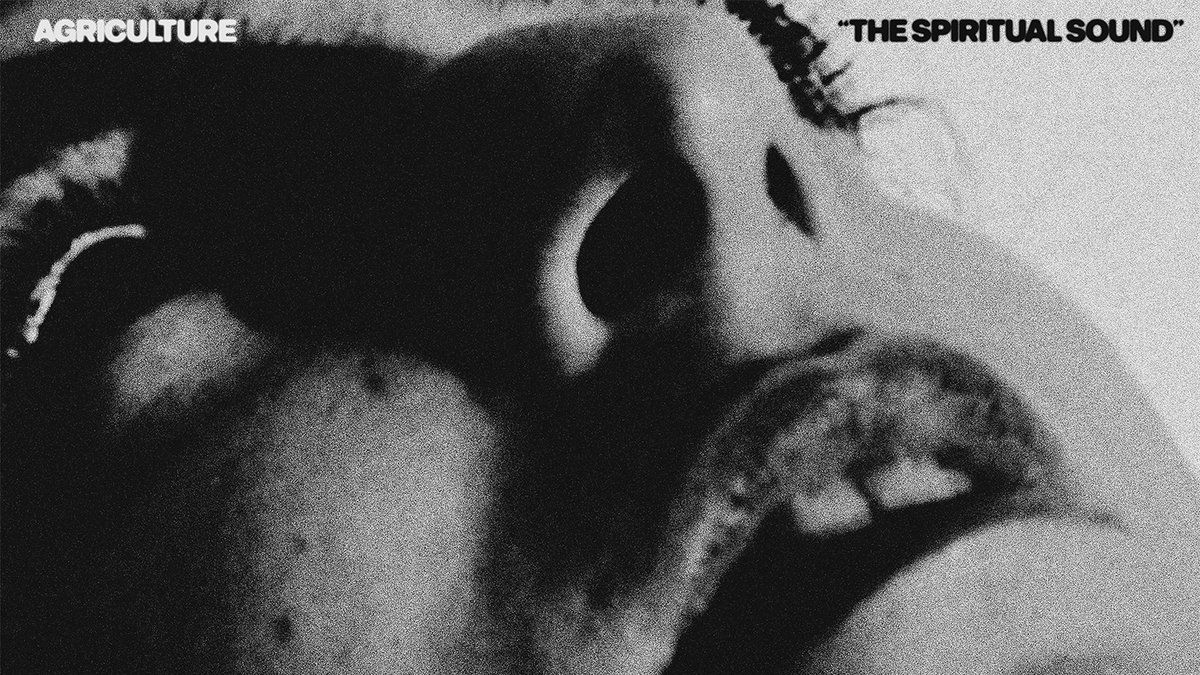
Take the title of The Spiritual Sound as a kind of syllabus, and you’ll find a heady list of musical reference points that Agriculture aim to exalt. The jarring intros of black metal songs that make you feel like a portal to Hell has opened inside your headphones. The sound design on later Scott Walker arrangements meant to conjure a Biblical plague. The slow, majestic build of post-rock epics that hold back their climax for maximum transcendence. The threadbare ballads from ’90s indie rock records that could have been breakthrough hits if presented in slightly cleaner fidelity. When the riff drops in a Slipknot song. This blend of styles is not only about presenting contrasts—clean versus shouted vocals, melodic versus dissonant riffs, headbanging versus moshing—but also preserving the murky in-between that only elevates the extreme.
The Spiritual Sound is one of 2025’s most daring metal albums, and a lot of it comes down to how well Agriculture know themselves. The Los Angeles quartet will be the first to square their righteous politics with the day-to-day realities of making their band financially sustainable. “Our job is that we sell T-shirts and the way we promote those T-shirts is by playing music,” vocalist/guitarist Dan Meyer confessed in an interview. “If we were talking strictly economically, that’s just a fact.” More than genre tradition or otherworldly self-mythology, they draw inspiration from the static hum of daily life, allowing for a worldview that feels refreshingly vulnerable. This is an album with nightmarish visions of mutilations that also makes room for an earnest track called “Dan’s Love Song.” (The chorus: “I will always love you.”)
Agriculture began as a self-described “ecstatic black metal band” with some idiosyncratic moves—see the tender, heartfelt two-minute ballads placed early on the tracklists for 2023’s very solid self-titled debut and 2024’s Living Is Easy EP. But with their second full-length, they have evolved into something more unclassifiable, the type of band who can shapeshift with each song while maintaining a distinct personality. Produced by the band, The Spiritual Sound sweeps through its 44 minutes with virtuoso stamina, alternating between tracks led by Meyer—whose approach tends to be more direct and conversational—and bassist/vocalist Leah Levinson, who favors broader philosophical subject matter and societal observation.
As vocalists, they share a strength for meeting any moment with life-or-death intensity, whether through fiery screeches customary of the genre, gentle falsetto buried in My Bloody Valentine fuzz, or, in “Hallelujah,” Meyer’s full-throated holler that conjures a singer-songwriter stepping away from the mic to let the audience sing along. When they play with traditional metal structures—the opening “My Garden” employs a loose verse-chorus pattern—they compulsively interrupt themselves with scene-setting textures and bursts of ambience like a darkened stage between shifting sets in a play. At a time when death metal bands are experimenting with new age and hardcore bands are embracing pop, Agriculture stand out by making their genre agnosticism feel proudly coherent, like these sounds were always meant to coexist.