In the 1990s and early ’00s, Bill Callahan was an enigma. He wrote about guys who wandered dark neighborhoods alone and yearned to escape the world in submersibles that had been lowered to the ocean floor. The kind of guy who swipes his girlfriend’s list of people to invite to a party and angrily scratches the word “Enemies” at the top of the page. A guy who, after his girlfriend inevitably moves on, takes her bras and underwear from his dresser drawer and lays them out in human-shaped piles on the floor so he can admire them. Creepy, sure, but his profound alienation was rendered poetically, and it wasn’t hard to map the disturbing details from his tales onto the most awkward and painful moments of your own life. You never knew if his alternately horrifying and hilarious songs were based on his experiences, and his media shyness and lack of interest in explaining his work meant you had to take them at face value.
With 2005’s A River Ain’t Too Much to Love—Callahan’s final album as Smog, though he wanted to release it under his own name—his music began to change. It grew quieter and more curious; what once repelled him began to make him wonder. The record was so important to his development as an artist that he sat for a long and illuminating podcast to go over it in detail (a must-listen for any fan of his songwriting). On later LPs like Sometimes I Wish We Were an Eagle (2009) and Apocalypse (2011), he wrote about the natural world, searching for clues about humanity in the motion of birds and the rawness of the land. He got married and had children and wrote about the comfort of human connection and the shattering joy of bringing a new life into existence. Instead of leaving us wondering what was real, he happily explained where it all came from.
No score yet, be the first to add.
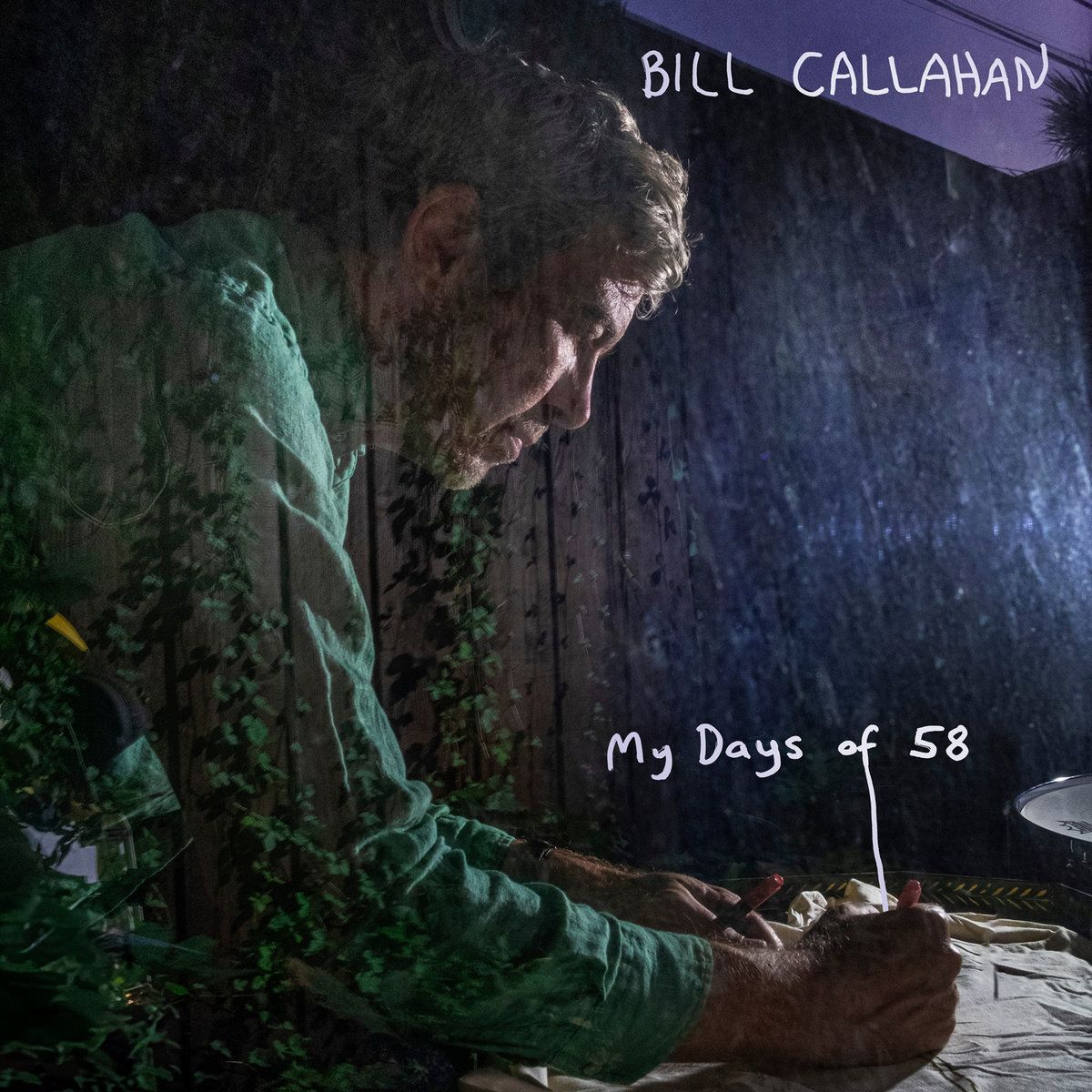
This is where we find Callahan on his latest album, My Days of 58, which is easily the most autobiographical record he’s made. Here, he sings about being a father and husband as well as the how and why of his winding career as a songwriter and performer. He approaches the material with an older man’s earned wisdom and a clarifying distance, as if he’s watching his life from afar while simultaneously living inside it. With the opening “Why Do Men Sing,” he even writes what for him is rare—a true anthem that invites listeners to join him on a chorus hook, complete with horns, that repeats over and over and somehow leaves you wanting more. It starts with some slowly plucked guitar and gathers energy, guiding us through a grim backstage scene and a surreal dream involving fear of death and a comforting word from Lou Reed. (“Baby, you just got to let it ride,” which actually sounds like something the VU frontman might say).
The set’s first half continues to grapple with the “Why?” of it all, with Callahan musing about fatherhood, his mortality, and the creative impulse. On “The Man I’m Supposed to Be,” he realizes that death could be coming for him at any moment, and his current way of moving through the universe isn’t cutting it. “I’ve been living too long in my head,” he sings, a statement that will be unsurprising to anyone who has followed his work. “Pathol O.G.” goes deeper, dissecting his compulsive desire to write songs as a way of understanding his surroundings and himself. He begins speaking, explaining his attraction to songwriting over pinging guitar harmonics—“I don’t want to say that it saved my life but it gave me a life”—and admits that immersing himself in his music became a way to avoid people.