On August 5, 1976, Big Ben exploded. It was a mechanical failure so catastrophic and so loud that the London policemen on duty initially reported it as a bomb set by the Irish Republican Army. Over the next nine months of repairs, time started and stopped sporadically.
This was punk rock’s Year Zero. Joe Strummer of the Clash sang that there would be “No Elvis, Beatles, or the Rolling Stones/In 1977,” and Johnny Rotten of the Sex Pistols snarled that there would be “no future for you.” British punks were “disgusted” by history, the journalist Caroline Coon wrote in 1988, her formative report on the punk explosion. “Nostalgia is a dirty word.”
No score yet, be the first to add.
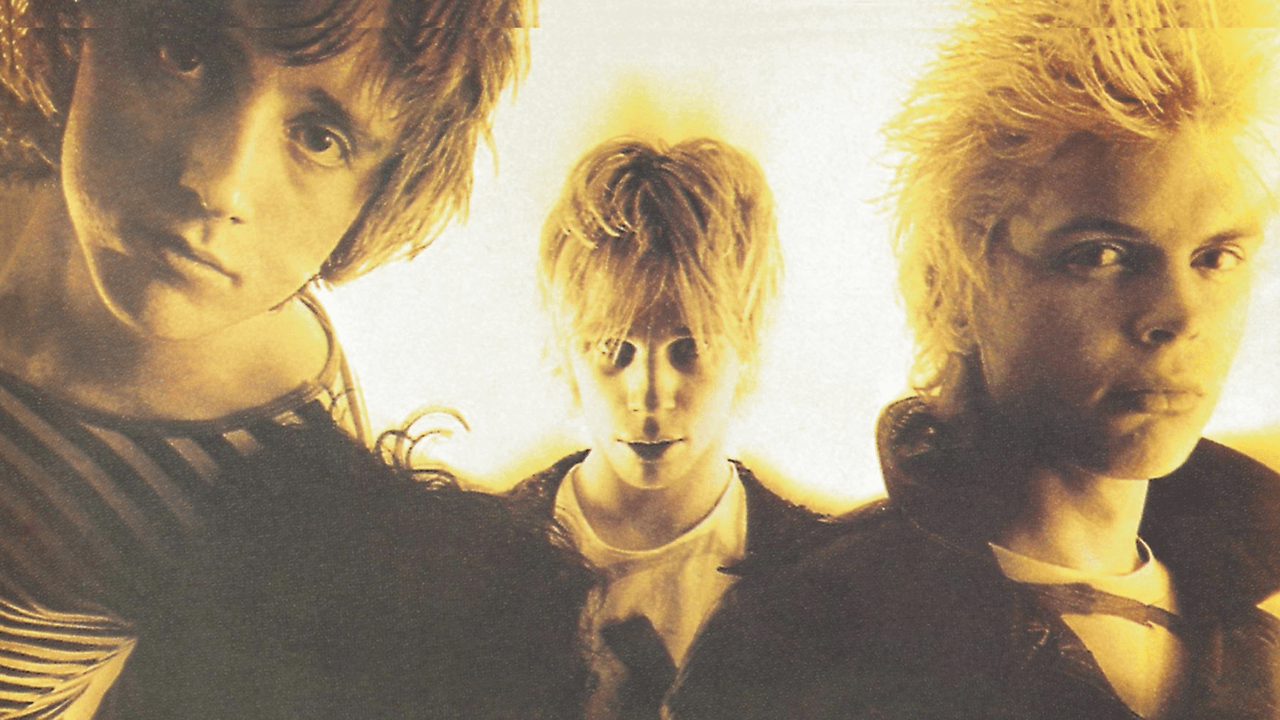
Generation X emerged from the same clustered London scene that spat out these feral iconoclasts. They wore the same torn and safety-pinned clothes, played the same sped-up and distorted rock’n’roll in the same clubs to the same dropouts and punks and vandals. Billy Idol, their frontman, was a member of the Bromley Contingent, an influential cluster of Pistols acolytes on the early punk scene, alongside Siouxsie Sioux and the archetypal model Soo Catwoman.
But they made themselves unwelcome in the revolution. They appeared on Top of the Pops to mime performances for a prime-time BBC audience, and were featured, pouting as pin-ups, in teeny-bopper magazines like Fab 208 and Jackie. Idol had porcelain features and dyed-platinum hair; he was pretty. And above all he was spreading heresies. “I was in love with The Beatles/I was in love with the Stones, no satisfaction/I was in love with Bobby Dylan/Because I’m in love with rock’n’roll,” he sang on “Ready Steady Go!” a song named after a light entertainment show loved by the nation’s mods a whole decade earlier. The clock never stopped for Generation X; Year Zero never came.
Still, their debut, Generation X, remains one of the most compelling and influential albums of its era, a record that belongs next to Buzzcocks’ Another Music in a Different Kitchen and the Undertones’ self-titled LP in the canon of great early pop-punk albums. It combined the urgency of early London punk with razor-wire hooks and ambitious structures that most other bands in Britain’s “new wave” wouldn’t dare to touch. Fifty years on, Generation X still sounds like youth in revolt: fighting, fucking, and fucking up.
They were brought together by John Krivine and Steph Raynor of the foundational punk clothing store Acme Attractions (a half-mile up the King’s Road from Sex, where Malcolm McLaren had manufactured the Pistols). Idol, a university dropout who’d spent his summer at the Pistols’ 100 Club residency, brought in his friend Tony James, of the horribly named but now cult-legendary proto-punk band London SS (which also included Mick Jones and Brian James, future co-founders of the Clash and the Damned, respectively). They joined drummer John Towe and frontman Gene October in the short-lived band Chelsea and played two shows over four weeks before the band abandoned October mid-set and struck out on their own. They named the new band Generation X after a paperback they found on Idol’s mother’s bookshelf: a series of interviews with young people growing up in the wake of the Second World War, hating their parents, and lashing out at authority. They shuffled Idol into his natural position behind the microphone and brought in Derwood Andrews from rocker band Paradox to fill the space.