In 1954, Time magazine published a short column listing three civil rights breakthroughs (and one “no-gain”) that included Knoxville integrating its airport restaurants and Birmingham allowing Black and white athletes to compete against each other in baseball and football. It’s a short list, presented straightforwardly, except for one phrase in the first sentence: “to breach the Magnolia Curtain of racial discrimination.” Those words—a bit of poetry in the newsreel—implied a truth both obvious and largely unspoken: The South had used its prejudices and its claims to heritage, among other bricks and mortar, to cordon itself off from the rest of the nation. The phrase took hold and proved useful during the Civil Rights era, and in 1964, when a self-proclaimed “New York liberal” writer named Richard Boeth moved to the small town of Rosedale, Mississippi, he gleefully annihilated the region’s calcified hypocrisies for The Atlantic. He called the piece “Behind the Magnolia Curtain.”
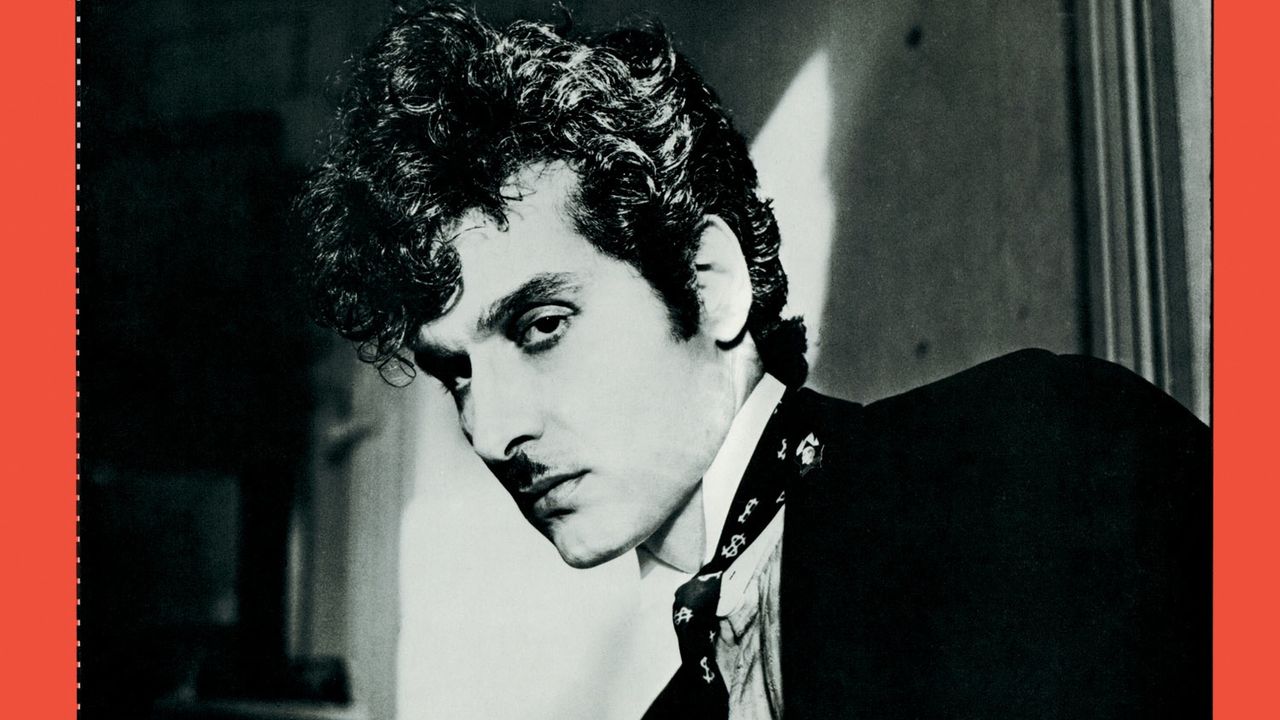
In 1981, Memphis musician Tav Falco adopted that same phrase for the title of his debut album with the Panther Burns, one of the weirdest, wildest support groups in rock history. His usage seems less pointed than Boeth’s, on account of him being an actual Southerner; Falco might have been born in Pennsylvania, but he grew up near Gurdon, Arkansas, moved east to Memphis as a young man, and has been closely associated with that city ever since (despite spending the past 30 years living in Europe). He’s always been on the southern side of the Magnolia Curtain, so he can see what it conceals from those who erected it in the first place: a vibrant culture that extends to food, clothes, literature, and especially music, too often disregarded or overwritten by modern Southerners.
No score yet, be the first to add.
Or, as he told a combative TV host during a famously tense Panther Burns performance in 1979: “It’s all invisible to us.” And by “us” he means not himself or his band, but Memphis in general, the South in general. Everybody down here. “We can’t see what’s around us. There are blues people here who don’t have exposure, rockabilly artists who don’t have any exposure. They don’t really exist here. They’re part of our environment, we see them every day, yet they’re invisible to us. We take them for granted. It takes a group like us to create contrast, to create focus.”
Panther Burns wanted to jolt their listeners into seeing those invisible people—those old blues and rockabilly artists whose innovations defined the city’s culture even after they were forgotten. The way they did that was by playing old songs very loud and very bad. At any given moment each musician in the band might be playing at a different tempo or in a different key altogether, or hell, they might be playing a completely different song. On a good night they could make the Shaggs sound like Booker T. & the M.G.’s. Panther Burns weaponized their amateurism, but never condescended to the source material: Falco wanted to make that old music as culturally disruptive in the late 1970s as it had been in the late 1950s. The best way to do that, he reckoned, was volume and chaos.