Yungmorpheus’ music is a study in seeing the statue lurking within the slab of marble. For nearly a decade, the Miami-raised, Los Angeles-based rapper has been chipping away at a particular sound, smoothing out each beveled edge with every subsequent release. On its face, his formula is pretty simple: well-appointed loops, drums that click more than they crack, sharp-witted couplets delivered in a present but aloof monotone. It’s a heavy-lidded vibe, mildly psychedelic like a morning without caffeine, moving slowly but deliberately.
Morph’s cultivation of the ultimate chill—a trait that feels endemic to his personality, no matter the circumstances of his life—seems almost to exist in a state of inertia. He smokes from a bottomless bag of weed, sips from a sommelier’s fantasy draft list, and chooses entrees you can’t pronounce from menus you can’t afford. His writing and delivery go hand in hand; instead of sitting at the front of the beat, Morph’s voice tucks into its nooks until he becomes one of its features, another element in a lush, swirling soundscape. You can listen to his unhurried cadence and resonant tenor and be swept away by his body-high sonics, but eventually, you’ll catch a line that makes your eyes widen and ears perk. An edge of anger and paranoia lies beneath his laid-back demeanor: Between the fly lifestyle moments and flicks of his lighter, Morph also synthesizes entire libraries of Black radical tradition and memorizes where all the exits are. Sometimes, the hazy cloud that hovers over his work starts to feel like a weighted blanket.
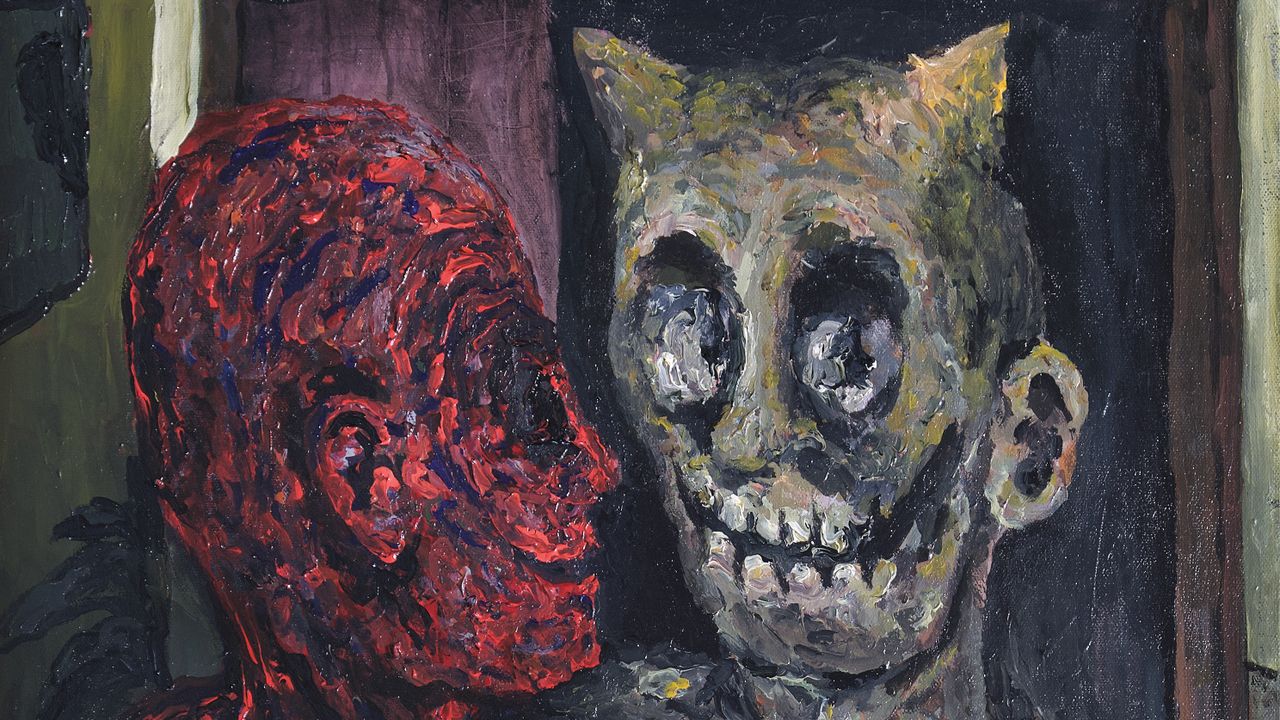
On A Spyglass to One’s Face, his newest album and second collaboration with Charlotte producer Dirty Art Club, Yungmorpheus is feeling more destabilized than usual. He often switches between points of view in his raps, giving the sense that it can be easier to create a character to analyze one’s thoughts than look internally. Maybe he’s dissociating, maybe it’s unconscious—either way, Morph makes a habit of stepping outside of himself. He’s never had much of a preference for complicating his song structures, preferring to unspool his thoughts through one long verse and immediately moving on to the next. That approach hasn’t changed much here, but he lets the beats ride a little more than usual, allowing his thoughts just a smidge more breathing room. Dirty Art Club’s production, as lush and airy as anything Morph’s rapped on, feels sharper than his typical saturated palette. The flurries of tape static have been scrubbed off, and there’s a clarity to the samples, as though Morph is standing in the middle of the round, directing a live band. It’s the best distillation of the Yungmorpheus idea, keeping his laconic sound intact but shining light on the anxiety that simmers beneath. It all makes Morph seem livelier, more outwardly vulnerable and approachable.