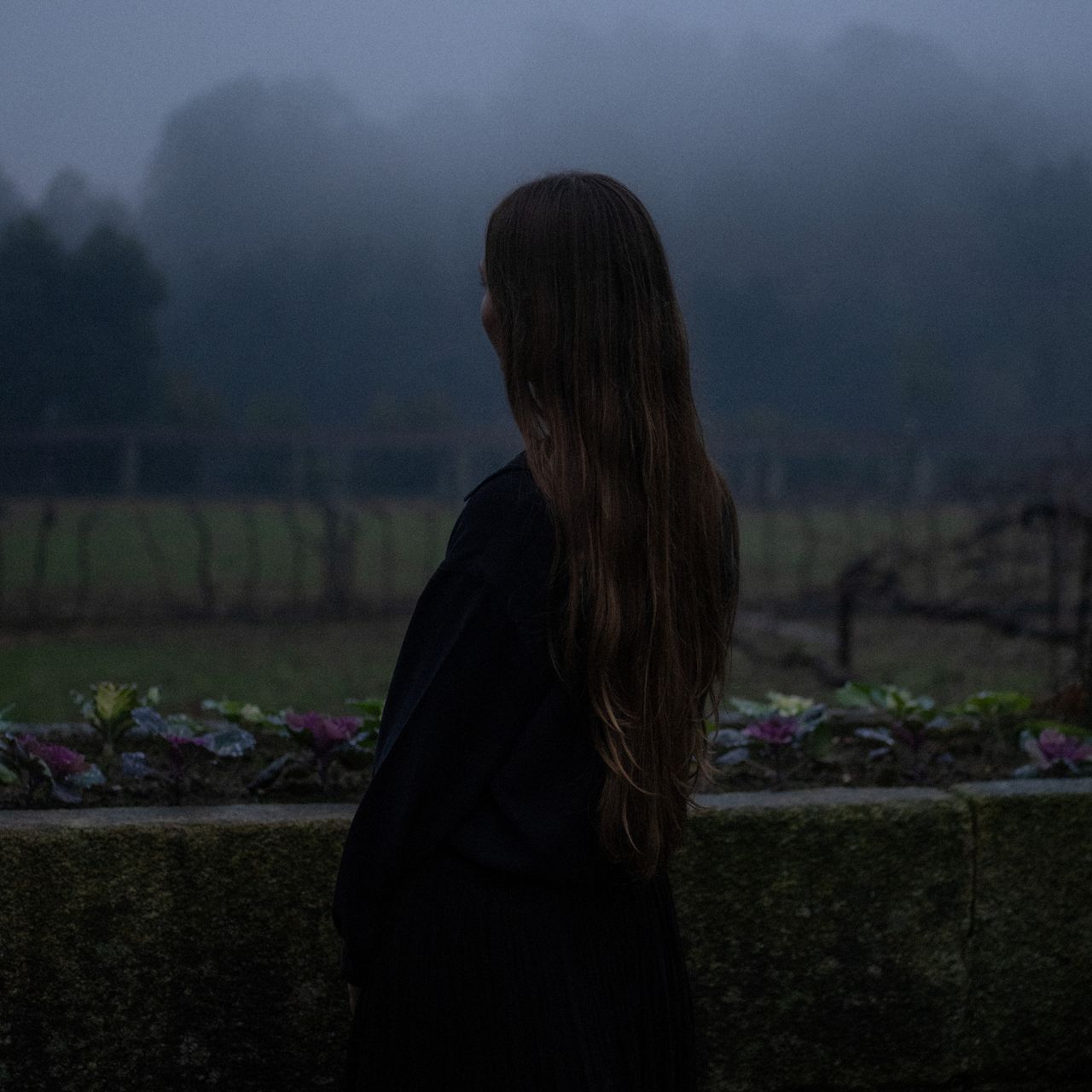
A Series of Actions in a Sphere of Forever / Changes in Air

At the beginning of the year, Kara-Lis Coverdale hadn’t released any recorded music since 2017. Then it all came pouring out. The Canadian composer’s first full-length of 2025, From Where You Came, was a summation of how she spent the intervening years: staging sound-bath installations in saunas, playing in the ensembles for Floating Points and Tim Hecker, and composing for chamber orchestras, choirs, and her childhood love, the pipe organ. While that record’s dreamy, digi-orchestral atmospherics sometimes gave way under the weight of re-establishing Coverdale as an album artist, two subsequent projects have scoped out the periphery of her practice and been more compelling for it. A Series of Actions in a Sphere of Forever takes the acoustic piano as its near-single-minded focus, while Changes in Air loosens that restriction only slightly to incorporate organ and modular synthesizer into a drone piece. Together, they form a treatise on the lingering note.

As a percussive instrument, once struck, the piano cannot crescendo. A note’s expiration, however, can be prolonged. On A Series of Actions, Coverdale draws out the vapor trails from each key. The record is atmospheric in the most literal sense, like a collection of weather phenomena all taking place well above the Arctic Circle. Coverdale also foregrounds the material components of her chosen instrument—wood, steel, ivory—and its physical limitations. You can hear her audibly press the sustain pedal into gear on the Ruins-esque “In Charge of the Hour,” while “Lowlands” creates, through what must be a trick of microphone placement, the effect of being positioned below her foot, capturing those distinctive (and familiar, to anyone who took childhood piano lessons) whooshes and creaks. At the climax of “Turning Multitudes,” which by this point has woven a weir out of Ravel, Sakamoto, and Satie, Coverdale seems to reach for a note higher than the highest she can play.
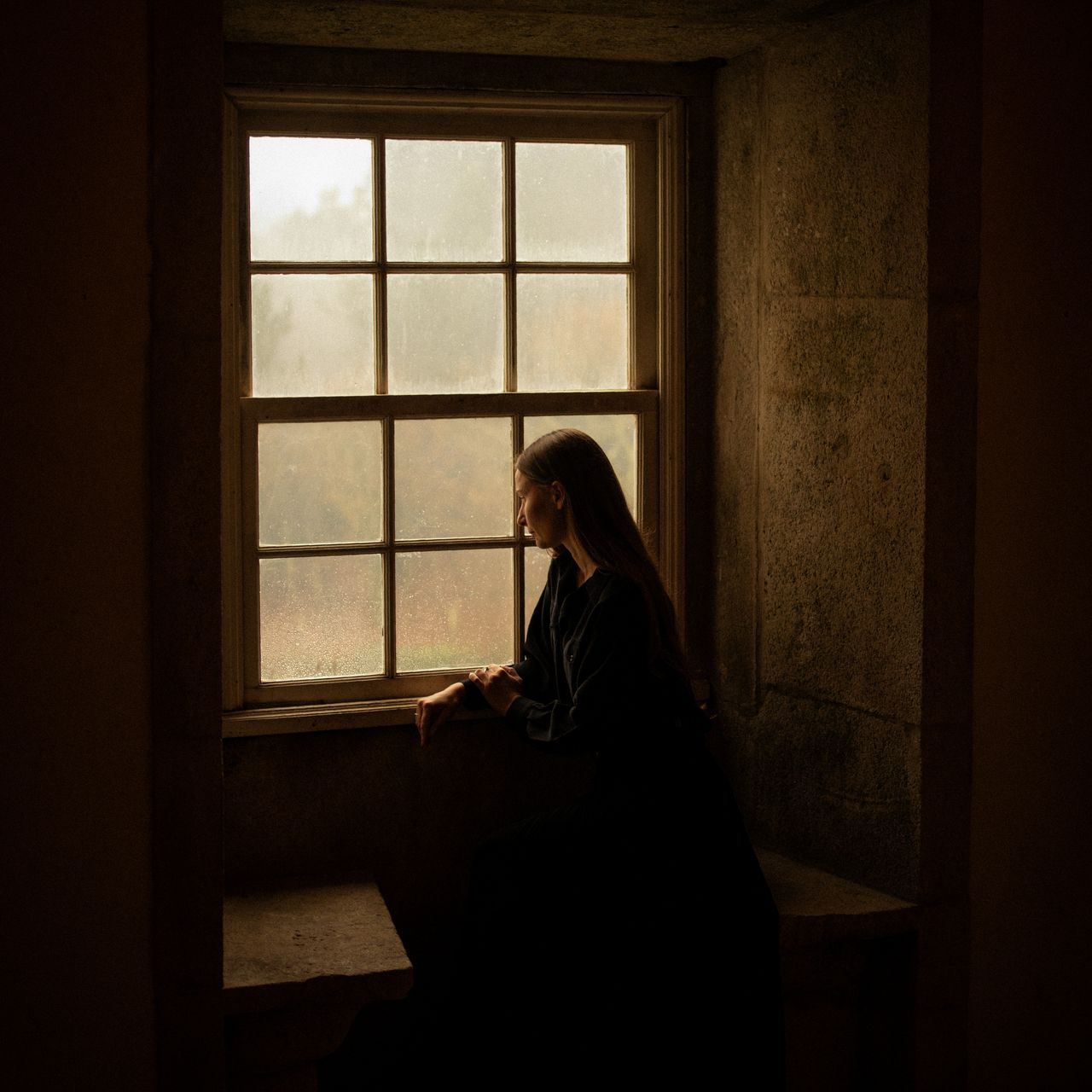
A Series of Actions’ final chord mirrors the first notes of Changes in Air, but the tone, both timbral and emotional, is warmer, rounder, homier. Each of the album’s five movements is arranged to mimic a different elemental substrate, though in what way these building blocks guided Coverdale remains ambiguous without further annotation. A better way to describe opener “Strait of Phrase” would be like sonar suspended in honey, each of its waveform oscillations wide enough to skip rope with. Then again, “Labyrinth 1” possesses a certain sculptural quality, seeming to rotate as if suspended from an invisible string. “Boundlessness” is even more tactile, grounded by a persistent clacking not unlike the sound of nail extensions tapping absentmindedly on a desk. Changes in Air neatly inverts the structure of its predecessor: where A Series of Actions strewed a sparing few twinkles across a vast empty space, here Coverdale throws open the blinds and floods every nook with light.

When different frequencies collide in midair, they form overtones, pitches that can be heard without ever being played. Coverdale has described A Series of Actions as “an exploration of harmony in space” and the same could be said of her 2025 oeuvre as a whole. The body of work—which has also included site-specific performances at Berlin’s Kraftwerk and Portugal’s Braga 25 festival—hums with unexpected resonances. Part the new age haze of From Where You Came to reveal the icicle-sharp A Series of Actions and oaken-tough Changes in Air as individual mechanisms within its intricate machinery. Each arguably surpasses the more “definitive” work because there’s no resting on pretty and nowhere to hide. To sit at a piano is to confront head-on the constraints of the body, of only having 10 fingers, two feet, and a finite wingspan.

Kara-Lis Coverdale: A Series of Actions in a Sphere of Forever
Kara-Lis Coverdale: Changes in Air