Radiohead, Sam Fender, Dua Lipa and more lead artist call for government to keep pledge on secondary ticket price cap
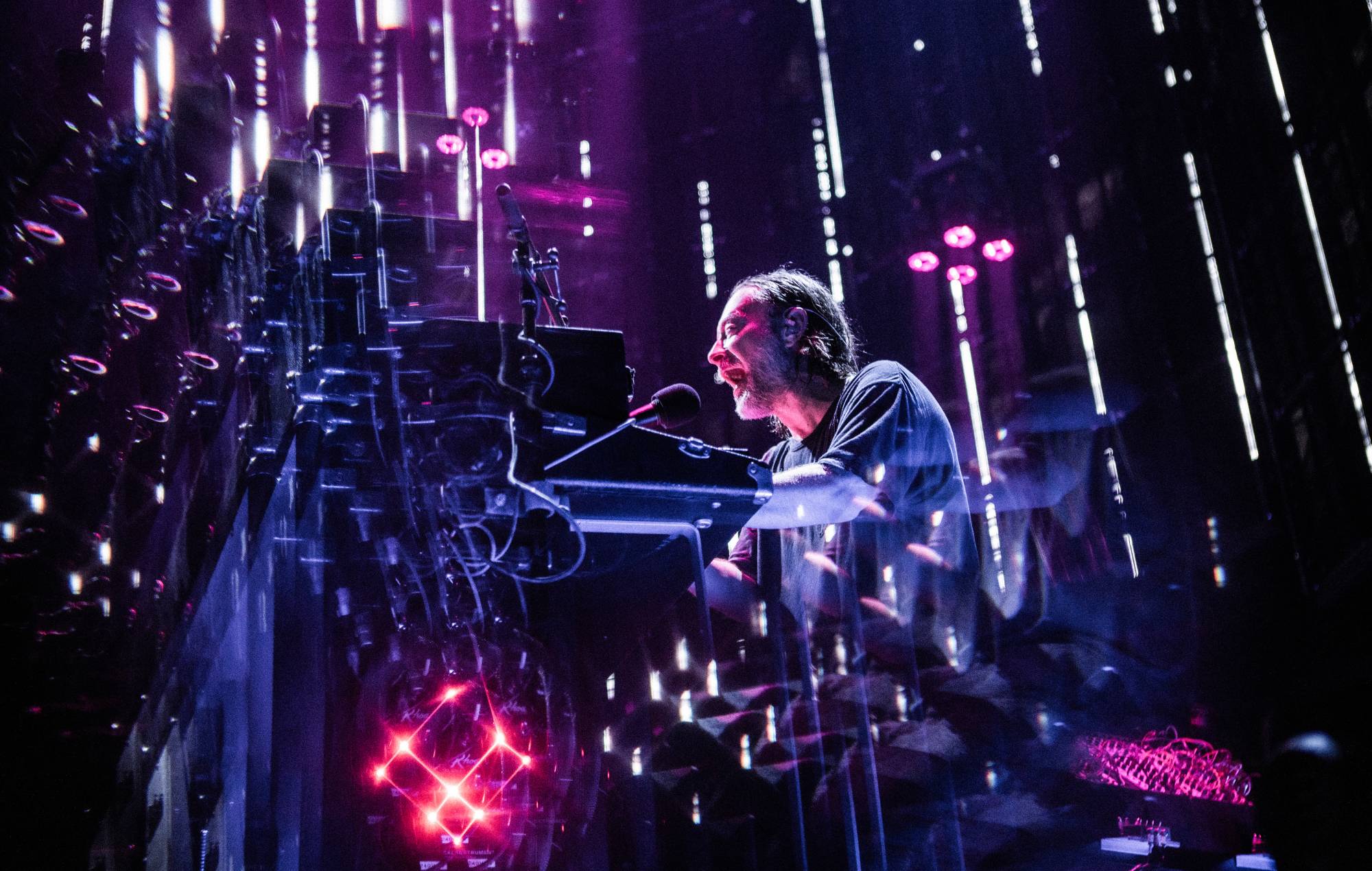
Radiohead, Sam Fender, Dua Lipa and other artists have called on the UK government to uphold its previous pledge to put a cap on seconday ticket prices.
In January, the government announced that they will impose a price cap on how much touts can re-sell tickets for, as well as an official consultation into the industry and controversial ‘dynamic pricing’ practices.
This included a limit on how much companies, sites and individuals can sell secondary tickets to live events, concerts, theatre shows and sports.
The aforementioned consultation ran from January 10 until April 4. Now seven months later, these changes have yet to be implemented, with no updates shared on the matter. As a result, a wealth of musicians have teamed up with consumer-representing organisations to call on the government to keep the pledge they made.
Among the names who have signed a statement to the government are Radiohead, this year’s Mercury Prize winner Sam Fender, Dua Lipa, Coldplay, The Cure‘s Robert Smith, Iron Maiden, PJ Harvey, New Order and Mark Knopfler.
Teaming up with organisations such as Which?, FanFair Alliance, O2 and the Football Supporters’ Association, they said in a statement that the previously promised protections are necessary to “help fix elements of the extortionate and pernicious secondary ticketing market that serve the interests of touts, whose exploitative practices are preventing genuine fans from accessing the music, theatre and sports they love.”
Recommended
“For too long certain resale platforms have allowed touts to bulk buy and then resell tickets at inflated prices, forcing fans to either pay above the odds or miss out entirely. This erodes trust in the live events sector and undermines the efforts of artists and organisers to make shows accessible and affordable,” the statement continues.
“Introducing a cap will restore faith in the ticketing system, help democratise public access to the arts in line with the Government’s agenda and make it easier for fans to spot illegal behaviour, such as ticketing fraud.”
Which?’s consumer law expert Lisa Webb added: “Today’s joint statement makes clear that artists, fan organisations and consumers reject the broken ticketing market that has allowed touts to thrive for too long.The Prime Minister pledged to protect fans and a price cap on resold tickets will be a critical step towards fixing this industry, but he must commit to this legislation by including it in the next King’s Speech.
“Further reforms are also needed to ensure sellers actually own the tickets they advertise before listing them, that resale platforms ensure the identities of sellers and key information about a ticket are verified and that the new rules are effectively enforced.”
A Live Nation spokesperson commented: “Live Nation fully supports the government’s commitment to cap ticket resale prices and we urge action to make this a reality. It’s a vital step in protecting fans from exploitative reselling and keeping live music accessible to everyone.”

Secondary ticket company Viagogo responded in a statement: “The ticketing industry requires reforms guided by evidence – not opinions – to ensure they truly protect fans. Evidence shows price caps have repeatedly failed fans, in countries like Ireland and Australia, they’ve pushed consumers towards social media and unregulated sites, where fraud rates are nearly four times higher than in the UK.
“UK Finance, representing over 300 financial institutions, has warned the government that price caps will increase fraud risk. In a letter to the Fraud Minister, Lord Hanson, NatWest, Monzo and Wise cautioned that such caps could fuel a dangerous surge in online ticket scams. Revolut also reported an 80 per cent spike in ticket fraud in Ireland after NFL Dublin tickets went on sale. This shows that where caps are in place they result in fraud as fans have no safe ticket buying options. We urge industry to consider the evidence presented by banks and for a formal risk assessment to be conducted before introducing reforms.
“The solution that tackles the biggest issues fans face is open ticketing: connecting primary and resale platforms in real time to verify tickets. Open ticketing allows the sharing of critical information to identify illegal bot activity and eliminate fraud. It’s the same type of technology that allows people to book flights through airlines or travel sites. Opening the market to greater competition also helps drive prices down as more platforms compete on prices, fees and services.”
Viagogo went on to argue that “open ticketing would challenge the primary monopoly of Live Nation and Ticketmaster as they control 80 per cent of the ‘primary’ ticketing market and are under investigation by the Department of Justice in the US.”
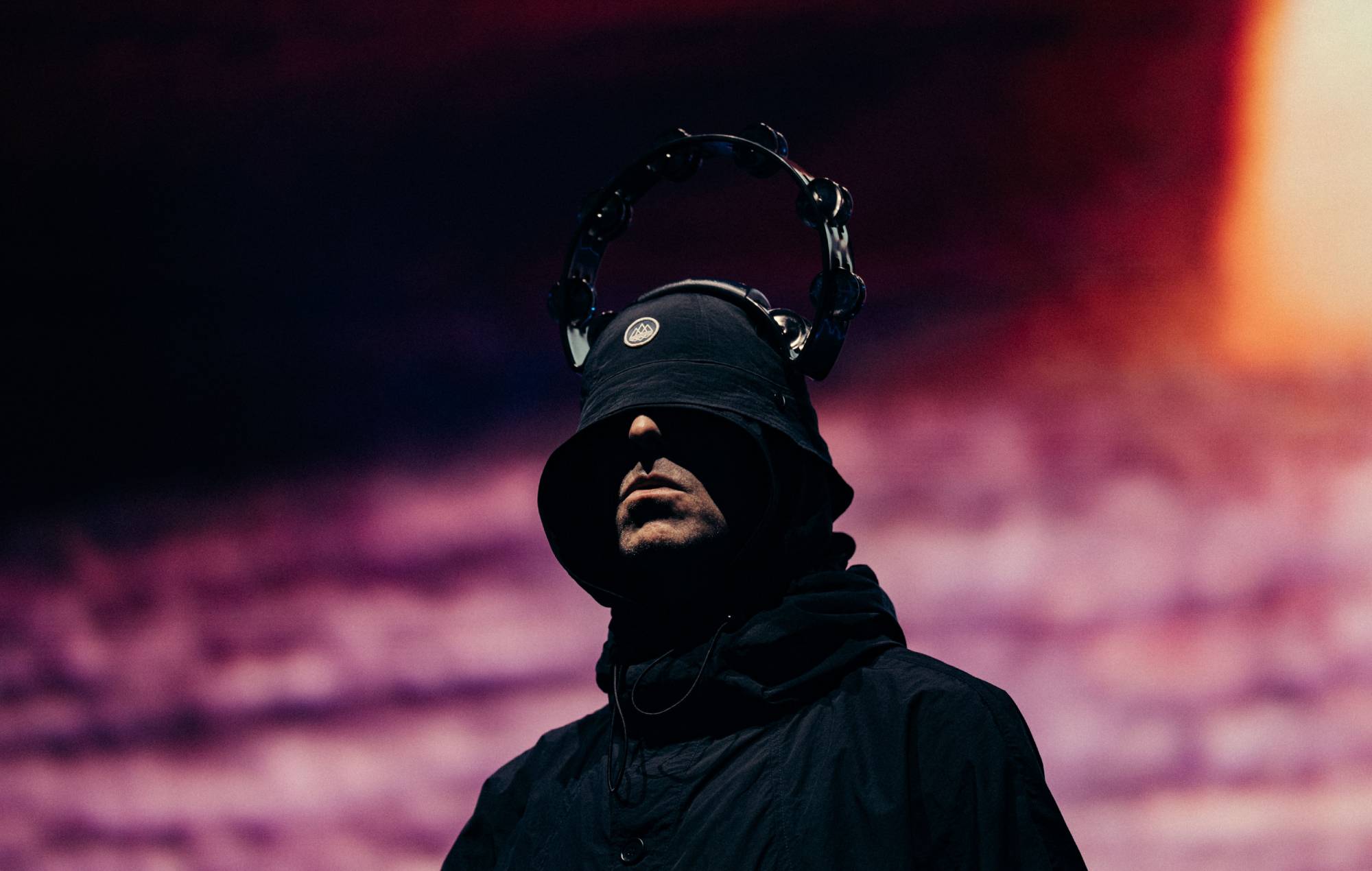
The need for reform has been sought after for a long time, but was accelerated by last year’s high-profile Oasis debacle, which saw tickets for their long-awaited reunion tour sold with ‘surge’ pricing This infuriated thousands of fans, with experts claiming that the practice could be in breach of consumer law, and was placed under investigation by both the European Commission and Competition and Markets Authority (CMA) in the UK.
Oasis previously said that they “at no time had any awareness that dynamic pricing was going to be used” in the sale, claiming that “prior meetings between promoters, Ticketmaster and the band’s management resulted in a positive ticket sale strategy, which would be a fair experience for fans, including dynamic ticketing to help keep general ticket prices down as well as reduce touting, the execution of the plan failed to meet expectations.”
Speaking to NME earlier this year, MP Chris Bryant discussed the obstacles of the secondary ticket market: “The number one issue is how many tickets you should be able to buy because it’s clear that bots using artificial names manage to hoover up hundreds of them. How do we deal with that?
“Number two is the cap and how much that should be. Should it be face value only? That’s what the Principality Stadium does for Welsh Rugby Union matches. Or should it be plus fees or plus 10-30 per cent? That’s the kind of range we’re consulting on.
“Thirdly, we’re consulting on whether there should be a licensing system. We’re open to views on that. Our manifesto commitment was to tend to appalling abuses that you see already in the secondary ticket market. We said we’d deal with it in the General Election, we intend to, and that’s the main part of our consultation.
“We’re not asking whether to act, we’re asking how to act and what action to take.”